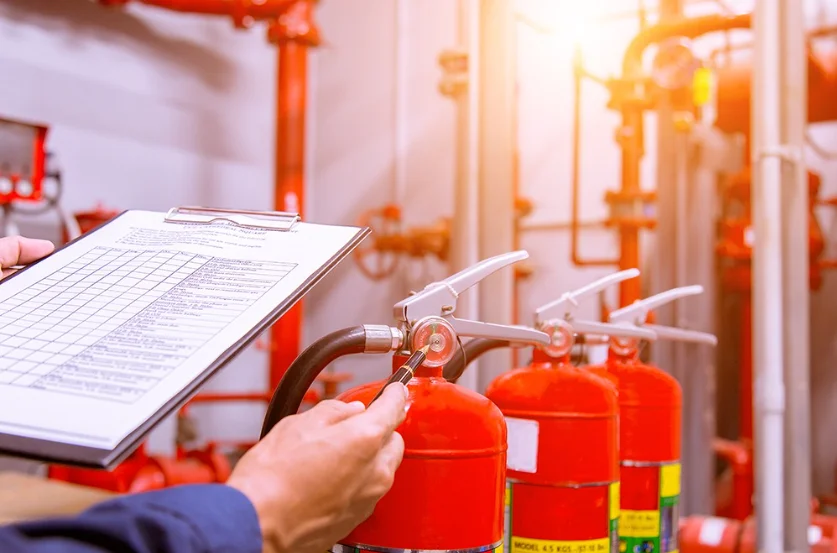

Fires are unreliable and may intentionally cause disastrous damage to every property and lives. This is why Fire Risk Assessment is a crucial component of safety planning of homes, workplaces, and industrial environments. This assessment recognizes the capacity fireplace hazards, assesses the risk they represent, and adopts measures to restrict such hazards. Knowledge of fireplace risks and preventive actions allow property owners and employers to protect the occupants as well as property effectively. An adequately-conducted Fire Risk Assessment is not the easiest to follow, as it is bound to keep the safety rules and also to foster the culture of willingness and readiness in every environment.
Defining What a Fire Risk Assessment Is.
Fire Risk Assessment is a scientific evaluation of a building or a property in order to recognize capability hearth hazards. It entails the reading of the possibility of a fire occurrence and capacity impact to human beings and property. The assessors check the presence of ignition resources, flammable materials and the available controls against fire, including alarm systems and extinguishers. It aims at identifying the locations of hazards and coming up with reasonable actions to reduce them. This assessment is not only a mandatory measure that will be imposed by the regulatory bodies but also a preventive method to avoid tragedies. Finally, a competent Fire Risk Assessment gives an untainted picture of weak areas and a strategy on how to enhance universal protection.
The Significance of Fire Risk Assessment at the Workplace.
Electricity, flammable materials and complex designs of workplaces frequently populate the work environment, and as a result, fire hazards are large. Fire Risk Assessment helps the employer to spot these risks and implement methods to reduce them. This comprises of education workforce, upkeep fire protection apparatus and arrangement of evacuation methods. Frequent testing makes protection measures remain viable to workplaces as they change. In addition to defensive staff, a fire assessment reduces losses of finances and criminal liability. Those companies that have understood the importance of conducting Fire Risk Assessment have a sense of responsibility and commitment when it comes to safety, creating a safe environment among us and still maintaining the observance of fireplace protection regulations.
Major Processes in a Fire Risk Assessment.
An appropriate Fire Risk Assessment will take a standard procedure. The initial step is the recognition of possible hazards of hearth, along with electrical malfunction, open fires, or flammable substances. Then look at who may be in danger, along with employees, visitors to the site, or site residents. Review existing fire precautions, including sprinklers, break out routes and alarms. According to the findings, design an action plan to reduce risks, along with maintenance, employee training and the latest emergency methods. Lastly, record the evaluation and time schedule regular opinions. Through those steps, a Fire Risk Assessment will be an active tool of continuous protection development, rather than a tick list.
Frequent Fire Hazards detected during Assessment.
Sure risks tend to arise during a Fire Risk Assessment. The most prevalent ones are electrical equipment and faulty wiring. Stored areas containing combustible drinks or radix can enhance a fire. Unreliably installed heating buildings and blocked escape paths make it more dangerous. Mechanicals and chemical substances may be a challenge in the business environment. Dangers are also contributed by human factors such as negligence or loss of education. The detection of these risks allows property owners to make remedial actions prior to the fire event. A Fire Risk Assessment will help in reducing the risk of incidents and providing the safer environment to any person by dealing with the capability risks in advance.
Advantages of Routine Fire Risk Assessments.
In Fire Risk Assessment, it is not a one-time thing. Periodic tests ensure that the protection measures keep up with the changes within the environment, such as renovations, the introduction of a new device, or better occupancy. This continuous mode is a supporter of hearth preparedness, enhancing emergency response time, and reducing property damage. Also, it provides record keeping that could be relevant in terms of coverage and regulatory requirements. Frequent hearth inspections also create self confidence in the occupants, which shows that their security is a priority. All in all, regular Fire Risk Assessment supports the culture of protection, reduces the exposure of danger, and secures the lives and possessions in an even more effective manner.
Regulatory and Legal Compliance.
The fire regulations require that certain homes behavior Fire Risk Assessment to protect lives and reduce losses. Adherence to those regulations no longer is easiest and preventive of felonies but also of safer environments. The regulators frequently demand any written evidence of the danger tests, movement schemes, and training of group of workers. In the case of businesses, non-compliance may lead to a fine, closure, or legal liability within the confines of an occurrence of a fire. A Fire Risk Assessment is a professionally carried out assessment that will guarantee that a assets complies with the neighboring laws and protection standards. This positivist strategy is a show of responsibility and enables enterprises to be acceptable as true to staff, clients, and the network.
The role of Technology in improving Fire Risk Assessments.
The contemporary era performs a very important role in enhancing Fire Risk Assessment. The digital equipment enables the assessors to develop some ground plans, music hearth risks, and regulate protection system maintenance plans. Smoke detectors and thermal imaging cameras will also allow tracking any threat in real-time. Structure reviews and song compliance updates are automatically shopped using cloud-primarily based structures. Making it a combination of era, a Fire Risk Assessment becomes additional correct, effective, and operational. The property managers are able to address the emerging threats in a timely manner and this reduces the likelihood of fires and the safety measures remain effective throughout the years.
Suggestions on how Property owners can enhance fire safety.
Owners of properties have a role to play in ensuring fire safety by adhering to some guidelines. maintain get away routes free and dotted with graphics, carry fire alarms and extinguishers, and educate the occupants on emergency plans. Reduce storage of flammable materials, and also have electrical systems regularly checked. Romance a subculture of identification where every individual understands his role in preventing the fire. Regular Fire Risk Assessment will assist in recognizing the lapses in such measures and impose improvements. Effortless measures coupled with professional tests significantly enhance the life and property security thus fire protection remains a priority.
Conclusion
Fire Risk Assessment is not just a felony requirement, but a vital part of protecting lives, property and investments. Avoiding risks The owners of assets can minimize the probability and effect of fire by detecting hazards, comparing hazards and enforcing preventive solutions. Common inspections, combined with human resource education, technology, and preemptive defense methods, ensure a safer environment to all bodies. Spending time and resources in an in-depth Fire Risk Assessment is no longer the best way of ensuring compliance but also an investment of a lifestyle of awareness and readiness. Saving lives and property begins offevolved with appreciation and control of risks of fireplace effectively.
FAQ – Fire Risk Assessment
1. What is a Fire Risk Assessment?
A Fire Risk Assessment determines dangers of capacity hearths, risks to humans and property, and the advice on precautions to avoid occurrences.
2. Who should conduct Fire Risk Assessment?
It must be behaved by trained fire protection specialists or qualified personnel who are familiar with the assets and hearth guidelines.
Three. The question to be answered is how often should a Fire Risk Assessment be completed?
It must be inspected regularly, i. e. within 12 months after the most significant alterations in the property, equipment, or occupancy.
4. What are typical risks that are found in checks?
The maximum common hazards are electrical faults, flammable materials, blocked escape routes and human error.
5. What is the importance of Fire Risk Assessment?
It saves lives, lessens damages of property, guarantees criminal obedience and helps to make the surrounding more secure to anybody.